
Future of Virtual Office Spaces in 2026: Trends and Tips

The way we work has changed a lot—and it’s still changing. Offices are no longer just physical spaces with desks and chairs. Today, many businesses work online, remotely, or in hybrid setups. That’s where virtual office spaces come in.
As we move into 2026, virtual office spaces are becoming smarter, more flexible, and more valuable for businesses of all sizes. Whether you’re a freelancer, startup founder, or growing company, this trend directly affects you.
Let’s talk about what the future of virtual office spaces looks like, the key trends shaping them, and practical tips to help you make the most of them.
What Are Virtual Office Spaces?
If you’re new to the idea, here’s a simple explanation.
A virtual office space gives you a professional business address and office services—without renting a physical office full-time.
Most virtual office plans include:
- A real business address
- Mail handling and forwarding
- Call answering or virtual receptionist.
- Access to meeting rooms when needed
At Cubic Cowork, virtual office solutions are designed to give you credibility, flexibility, and support—without high costs or long commitments.
Why Virtual Office Spaces Are Growing Fast
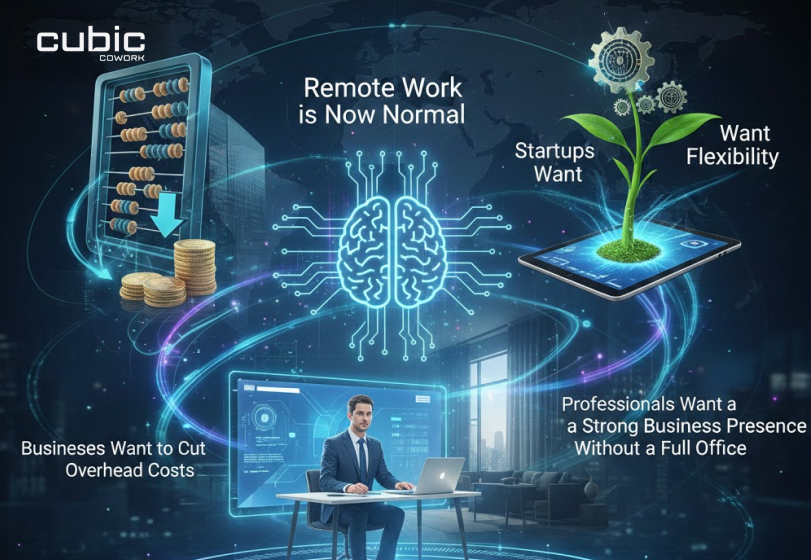
More people are choosing virtual office spaces for several clear reasons:
- Remote work is now normal.
- Businesses want to cut overhead costs.
- Startups want flexibility
- Professionals want a strong business presence without a full office.
In 2026, this demand will only grow stronger.
Top Virtual Office Space Trends in 2026
Let’s explore the biggest trends shaping the future.
1. Hybrid Work Is the New Standard
Most companies won’t be fully remote or fully office-based. Instead, they’ll use a mix.
Virtual office spaces will support:
- Remote teams working from anywhere
- Occasional in-person meetings
- Flexible access to meeting rooms
This hybrid style helps you stay productive without being tied to one location.
2. More Focus on Business Credibility
A professional address still matters. Clients trust businesses that look established.
In 2026, virtual offices will:
- Offer premium business addresses.
- Provide local presence in major cities.
- Support brand image and trust.
Cubic Cowork helps you build that professional image without renting expensive office space.
3. Smarter Technology Integration
Technology is getting better—and virtual offices are keeping up.
You can expect:
- Digital mail scanning
- Online dashboards to manage services
- Easy booking for meeting rooms
- Faster communication tools
These features make virtual office spaces easier and more useful than ever.
4. Flexible and Custom Plans
One-size-fits-all plans won’t work anymore.
Businesses want:
- Monthly flexibility
- Add-on services only when needed
- Scalable plans as they grow
Virtual office providers like Cubic Cowork are adapting by offering flexible solutions that grow with you.
5. Cost-Saving Is Still a Big Priority
Office rent, utilities, and maintenance are expensive.
Virtual office spaces help you:
- Save money
- Reduce long-term commitments
- Invest more in growth and marketing.
In 2026, cost efficiency will remain a major reason businesses choose virtual offices.
How Virtual Office Spaces Help Different Professionals
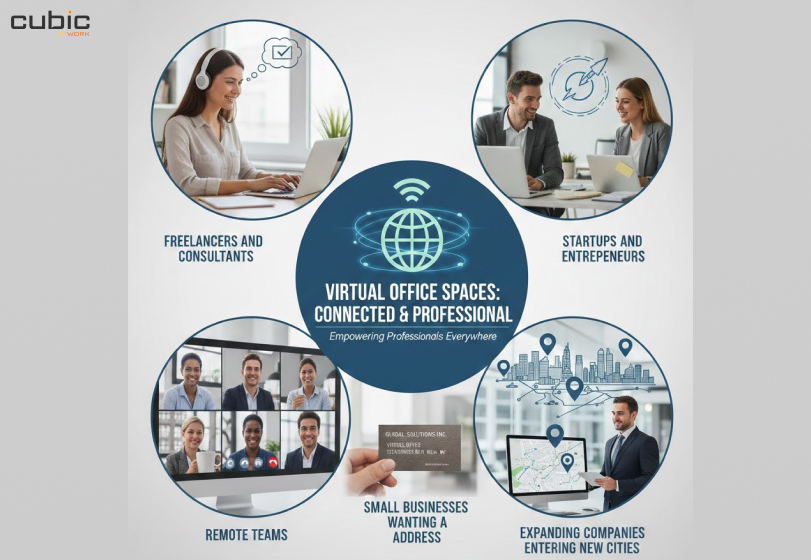
Virtual offices aren’t just for one type of business.
They work well for:
- Freelancers and consultants
- Startups and entrepreneurs
- Remote teams
- Expanding companies entering new cities
- Small businesses wanting a professional address
No matter where you are, virtual office spaces help you stay connected and professional.
Tips to Choose the Right Virtual Office Space in 2026
Before you sign up for a virtual office in Conroe, The Woodlands, Spring or Houston, TX , keep these tips in mind:
- Choose a Trusted Location
A good address builds trust. Make sure it’s in a recognized business area.
- Check Included Services
Look for mail handling, call support, and meeting room access.
- Think About Flexibility
Your needs may change. Pick a plan that can grow with you.
- Use a Reliable Provider
Brands like Cubic Cowork offer reliable support, clear pricing, and professional services.
Virtual Office Spaces vs Traditional Offices
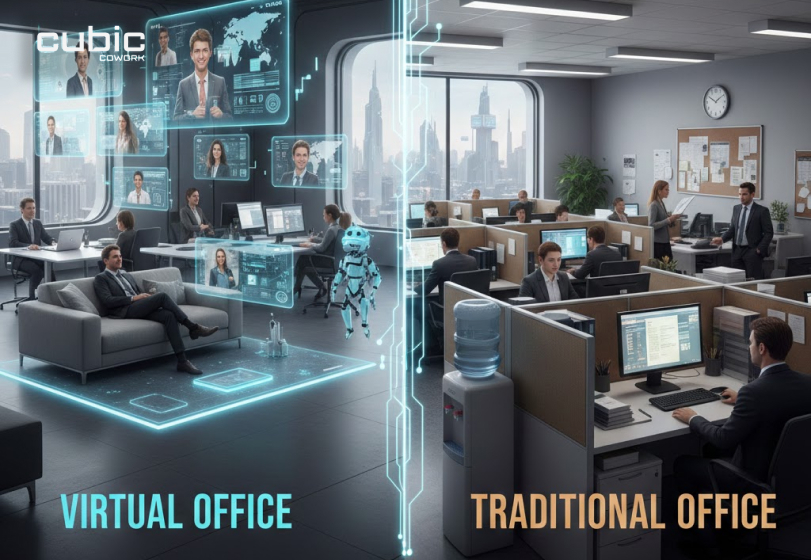
Here’s a simple table to help you see the difference:
| Feature | Virtual Office Spaces | Traditional Office |
| Cost | Low and affordable | High rent & utilities |
| Flexibility | Very flexible | Long-term contracts |
| Location | Professional address | Fixed physical space |
| Maintenance | No responsibility | Full responsibility |
| Ideal For | Remote & hybrid teams | Full-time office teams |
Why Cubic Cowork Stands Out
Cubic Cowork understands modern businesses.
With Cubic Cowork virtual office spaces, you get:
- A professional business address
- Reliable mail handling
- Flexible plans
- Access to coworking and meeting spaces
- Support that feels human, not corporate
It’s a smart solution for today—and the future.
Final Thoughts
The future of work is flexible—and virtual office spaces are a big part of it.
In 2026, businesses want freedom, savings, and professionalism. Virtual offices offer all three. Whether you’re starting fresh or scaling smartly, a virtual office can help you work better without stress.
If you’re ready to move forward without being tied down, Cubic Cowork makes virtual office spaces simple, professional, and future-ready.
Sometimes, the smartest office is the one you don’t have to sit in every day.
FAQs About Virtual Office Spaces
1. Are virtual office spaces legal to use for business registration?
Yes. Many businesses use virtual office addresses for registration, as long as the provider allows it.
2. Can I meet clients if I use a virtual office?
Absolutely. Providers like Cubic Cowork offer meeting rooms you can book when needed.
3. Are virtual office spaces only for startups?
Not at all. Freelancers, small businesses, and large companies all use them.
4. Will virtual office spaces replace physical offices?
Not completely. But they will reduce the need for full-time offices and support hybrid work models.
5. Is a virtual office cheaper than renting an office?
Yes. Virtual office spaces cost much less and remove overhead expenses.